If you’re searching for How to Plastic Charger Plates Manufacturer, the short answer is this: choose a supplier that combines food-grade materials, verified certifications, strong production capacity, and reliable export experience. A qualified factory should provide consistent quality, customization support, transparent pricing, and on-time delivery for wholesale orders.
For importers, distributors, and event supply companies, selecting the wrong supplier can lead to color inconsistencies, damaged shipments, and costly delays. In our experience working with international buyers, the most successful partnerships begin with a thorough factory evaluation rather than simply comparing the lowest price.
This guide explains exactly how to identify a dependable plastic charger plate manufacturer, what technical details matter most, and which questions you should ask before placing a bulk order.
How to Plastic Charger Plates Manufacturer
When buyers first search for How to Plastic Charger Plates Manufacturer, they often focus on price. However, experienced procurement teams know that manufacturing capability matters far more than a small difference in unit cost.
A professional charger plate factory should offer:
- Stable raw material sourcing
- Automated injection molding equipment
- Consistent color matching
- Low defect rates
- Export-grade packaging
- Flexible OEM and private label services
What a professional factory looks like
| Feature | Professional Factory | Trading Company |
|---|---|---|
| Own molding machines | ✔ Yes | ✖ Usually no |
| Tooling development | ✔ In-house | △ Outsourced |
| Production scheduling | ✔ Direct control | △ Limited control |
| Quality inspection | ✔ Factory QC team | △ Third-party only |
| Lead time stability | ✔ More reliable | △ Depends on suppliers |
| Customization flexibility | ✔ High | △ Medium |
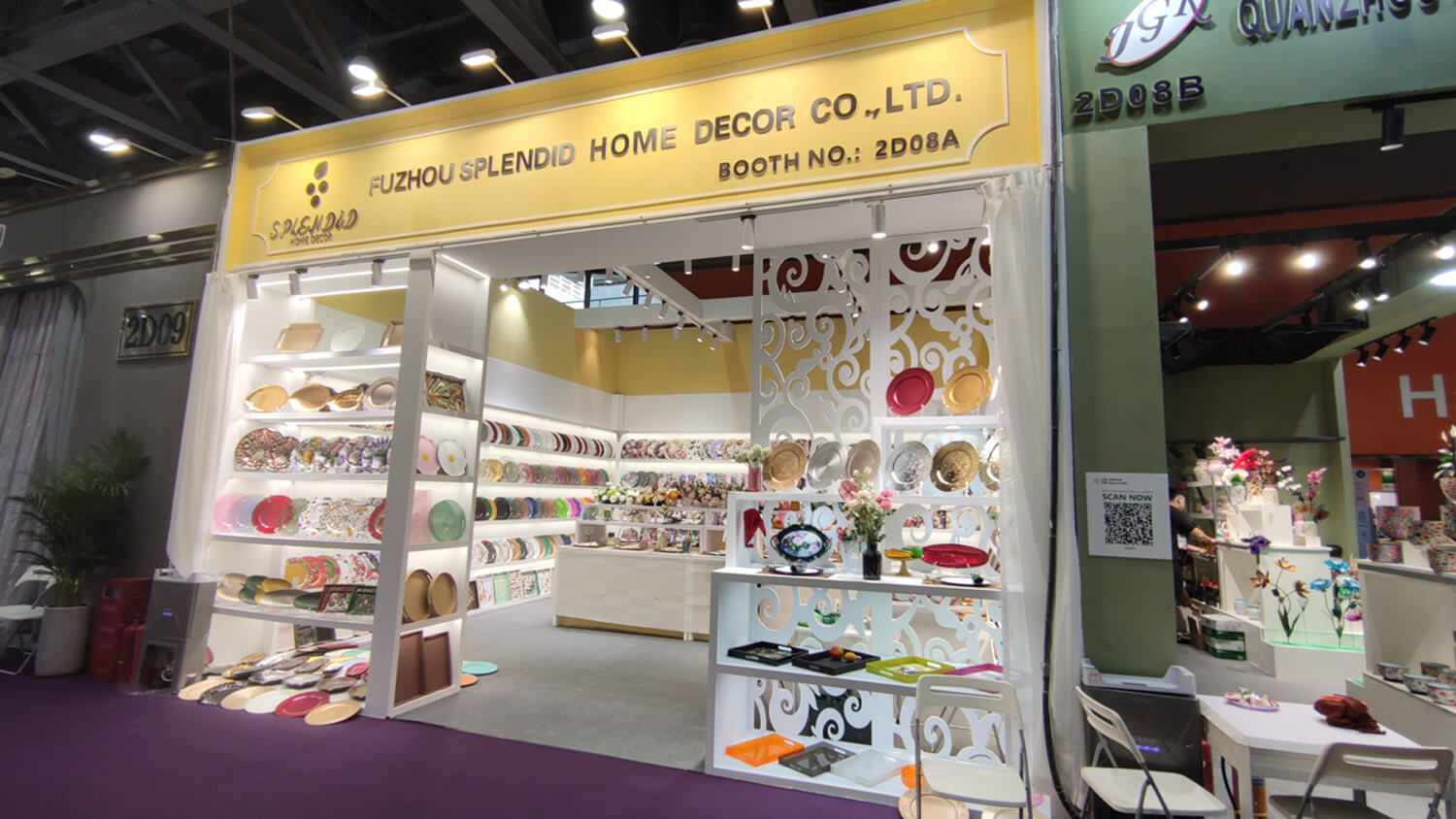
In our manufacturing projects, buyers who visited the production facility—either in person or through a live video audit—typically achieved better long-term results. They could verify machine quantity, worker organization, and packaging procedures before committing to large orders.
Another important point is specialization. A factory focused on plastic charger plates and event tableware usually has better mold maintenance and finishing technology than a general plastic products manufacturer.
Why Manufacturer Selection Matters
A charger plate may look simple, but it directly affects the presentation of weddings, banquets, hotels, and catering events. Even minor defects become highly visible on a decorated table.
Common problems caused by poor suppliers
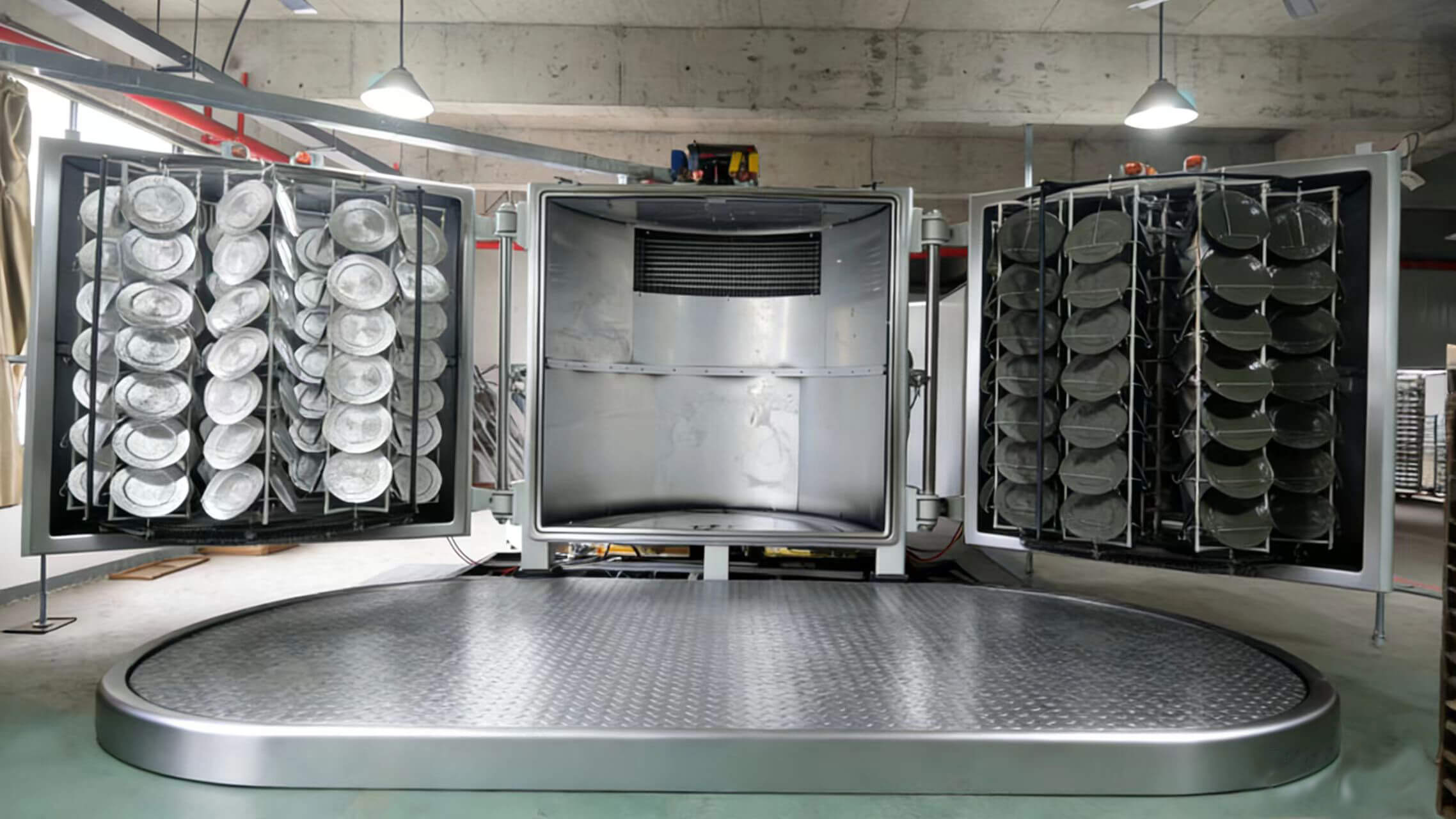
- Uneven metallic coating
- Scratches on the rim
- Warped plates after storage
- Color variation between production batches
- Broken pieces during transportation
- Incorrect carton labeling
For distributors, these issues often lead to customer complaints and replacement costs.
The hidden cost of cheap pricing
A supplier offering a plate at $0.03 cheaper per piece may appear attractive, but if 5% of the shipment arrives damaged, the overall project cost can become significantly higher.
This is why professional buyers evaluate:
- Defect rate history
- Packaging protection standards
- Insurance coverage
- After-sales replacement policy
- On-time shipment performance
According to the ISO 9001 quality management principles , consistent process control is one of the strongest indicators of supplier reliability.
Materials and Food-Safe Standards
The material used in charger plates affects appearance, durability, and regulatory compliance.
Common plastic materials
| Material | Advantages | Typical Use |
|---|---|---|
| PS (Polystyrene) | High gloss, rigid structure | Wedding & banquet charger plates |
| PP (Polypropylene) | Better heat resistance | Reusable event tableware |
| PET | Excellent clarity | Premium transparent designs |
| Recycled PP | Lower environmental impact | Eco-conscious product lines |
For decorative charger plates, high-impact polystyrene (HIPS) remains the most widely used material because it provides a smooth metallic finish and strong dimensional stability.
Food-grade requirements
Even though charger plates are often decorative, many buyers still require food-contact compliance.
Ask the factory for:
- FDA food-contact declaration
- EU Regulation (EC) No. 1935/2004 compliance
- BPA-free statement
- Heavy metal test reports
Material verification checklist
- Resin grade identification
- Batch traceability records
- Third-party laboratory testing
- Melt flow index consistency
- Color masterbatch certification
In our experience, factories that can provide full raw material traceability are usually better prepared for large retail and hospitality programs.
Factory Certifications and Compliance
Certifications do not guarantee perfection, but they provide evidence that a manufacturer follows documented procedures.
Key certifications for charger plate factories
| Certification | Focus / Area | Why It Matters |
| ISO 9001 | Quality management | Process consistency |
| BSCI | Social compliance | Ethical production |
| SEDEX | Supply chain transparency | Retailer approval |
| FDA | Food contact compliance | U.S. market access |
| LFGB | German food safety | EU premium market |
For European customers, LFGB testing is often considered more stringent than standard EU declarations.
How to verify certificates
Do not rely only on PDF files. You should:
- Check the certificate number on the issuing body’s website
- Confirm the factory name matches the quotation
- Verify the expiration date
- Request the latest audit report summary
A useful practice is to ask for a recent shipment test report rather than a document that is several years old.
Compliance questions to ask
- Which markets do you regularly export to?
- Can you provide annual compliance updates?
- Have you passed retailer audits such as Walmart, Target, or Carrefour requirements?
Factories with established retail export experience usually understand packaging regulations, barcode standards, and labeling requirements much better than new exporters.
Customization and Private Label Services
For many distributors, customization is what separates their brand from competitors.
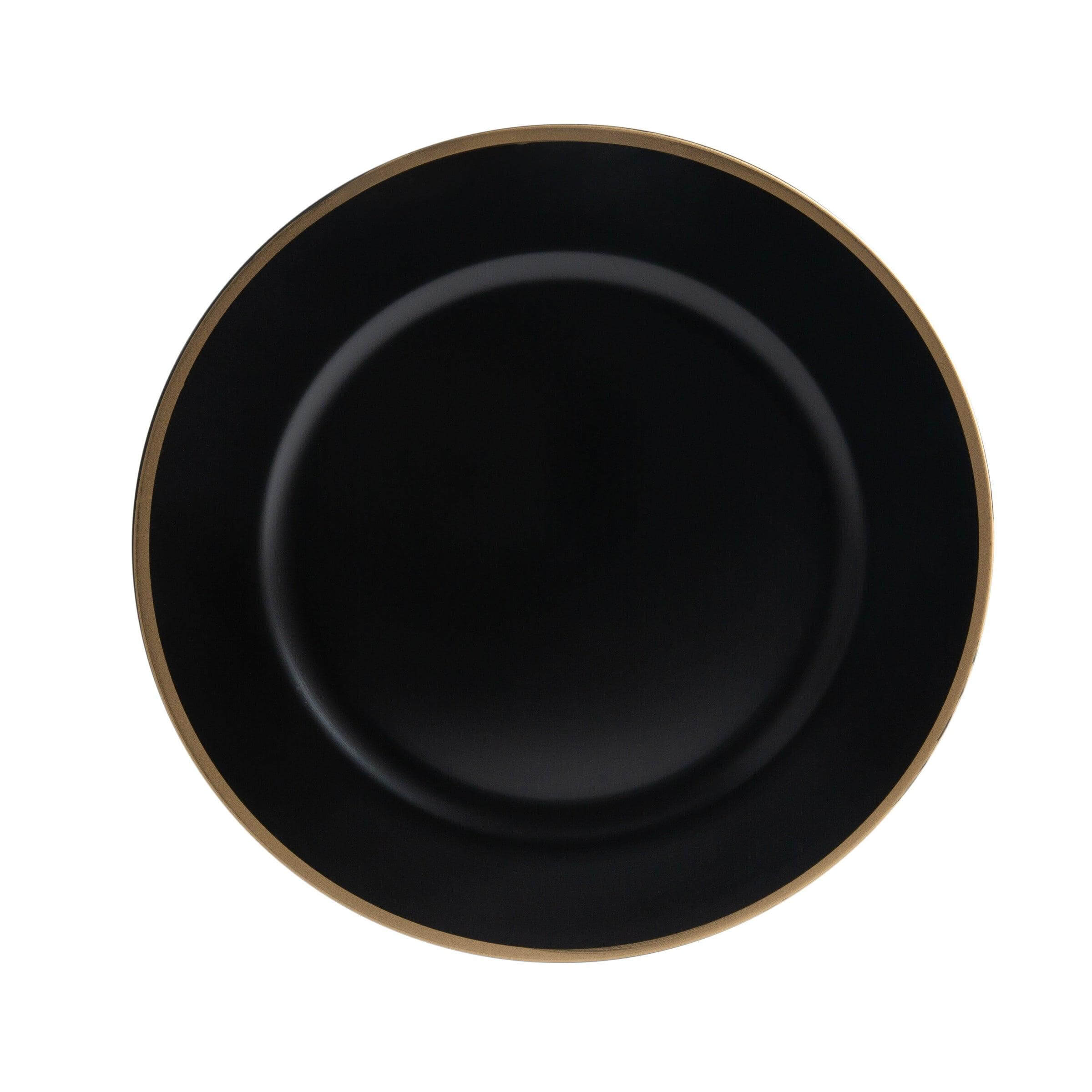
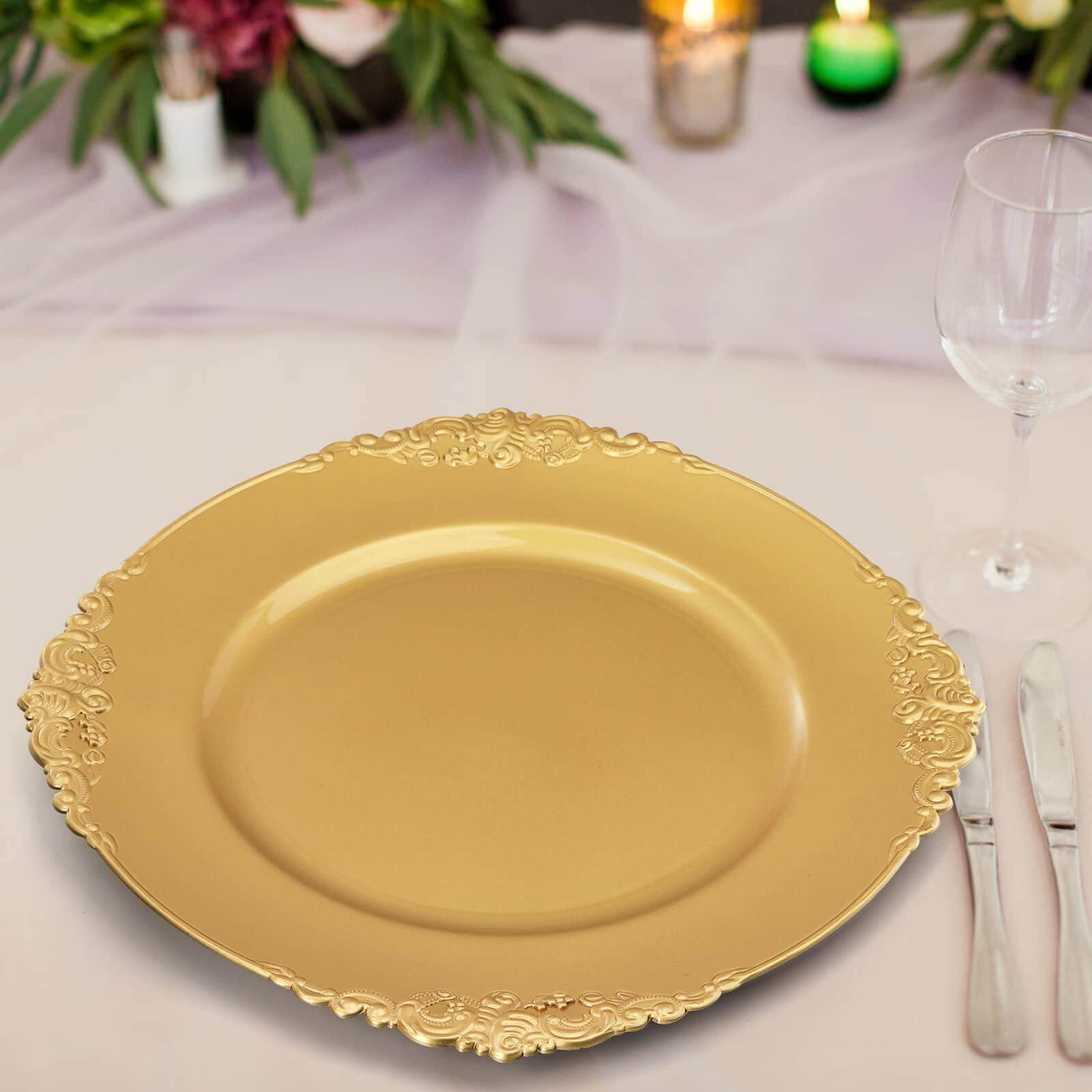
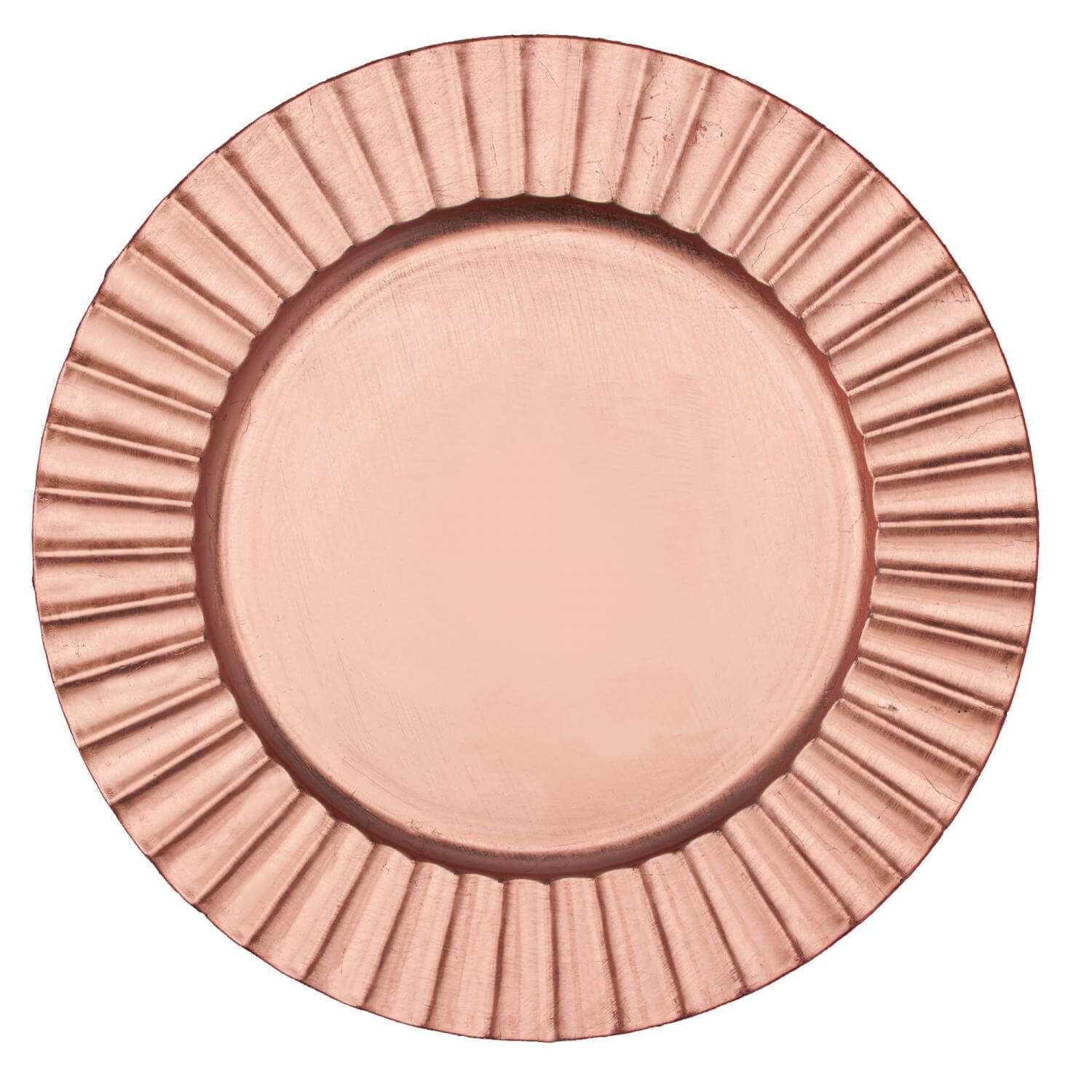
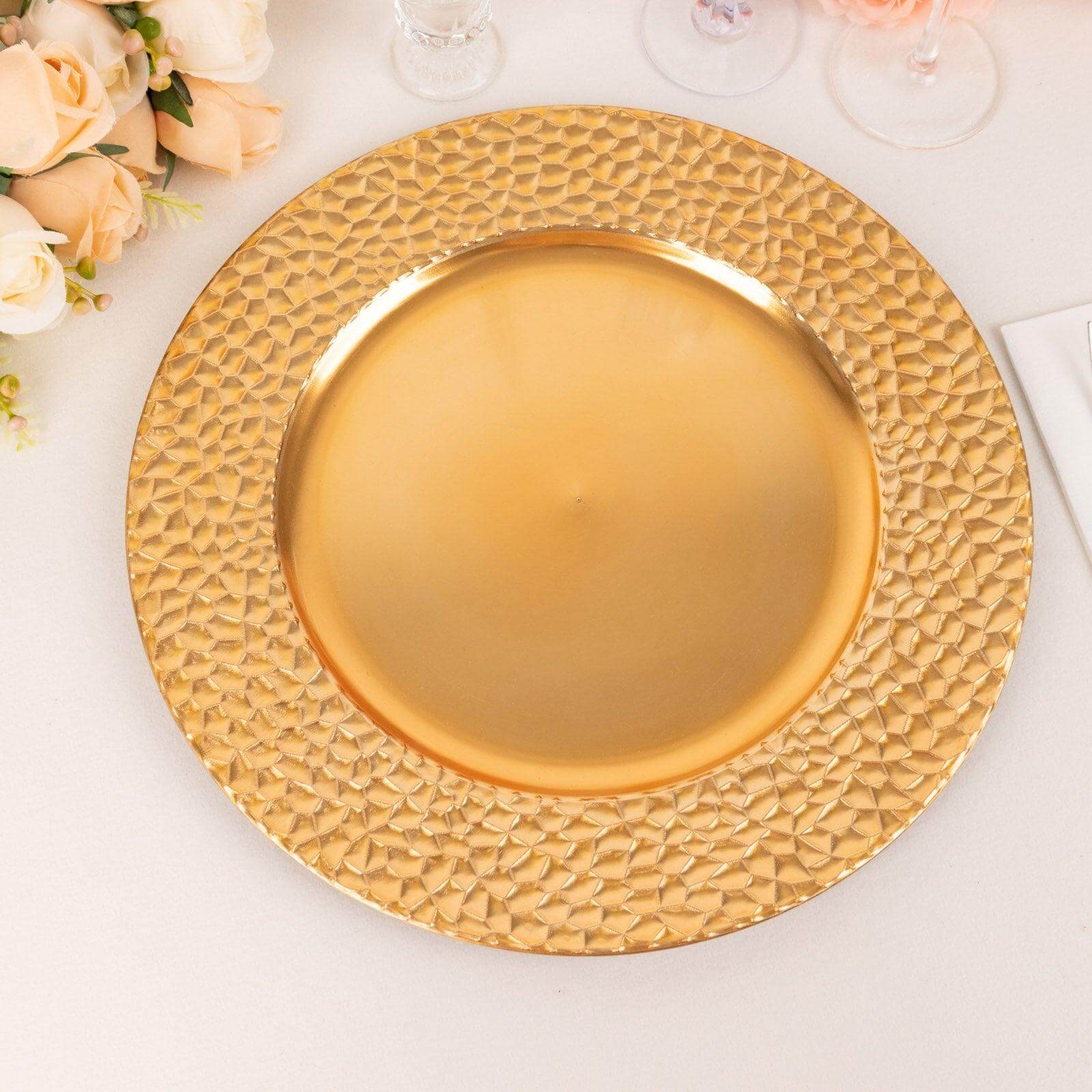
Popular customization options
- Metallic gold or silver finish
- Matte black and pearl white colors
- Embossed floral rim
- Beaded edge design
- Custom Pantone colors
- Logo printing on the back
- Retail gift box packaging

Tooling considerations
| Customization Type | Tooling Needed | Typical Development Time |
|---|---|---|
| Color change | No | 1–3 days |
| Logo printing | Screen/foil plate | 5–7 days |
| New rim pattern | Injection mold | 20–35 days |
| New plate size | Full mold set | 30–45 days |
In our factory projects, custom molds for a 13-inch charger plate generally require 20–35 days depending on the complexity of the rim design.
Color matching
Professional manufacturers should use:
- Pantone color systems
- Spectrophotometer measurement
- Batch color tolerance control
A common acceptance standard is ΔE ≤ 1.5, which ensures minimal visible color difference between production lots.
Production Capacity and Lead Time
Capacity planning becomes critical during wedding and holiday seasons.
What buyers should evaluate
- Number of injection molding machines
- Daily output per mold
- Available mold sets
- Worker shifts
- Warehouse space
- Peak season scheduling
Example capacity calculation
| Machines | 12 lines |
| Cavities per mold | 2 |
| Cycle time | 28 sec |
| Working hours | 20 hrs/day |
| Daily output | ≈61,000 pcs |
A factory with this setup can usually complete a 500,000-piece order in about 8–12 production days, excluding finishing and packaging.
Realistic lead times
- Stock colors: 7–15 days
- Custom colors: 15–25 days
- New mold development: 35–50 days
- Peak season orders: 30–45 days
Be cautious of suppliers promising extremely short lead times for customized products. In practice, metallic coating, curing, inspection, and export packing all require additional processing time.
Quality Inspection Process
A reliable manufacturer should have a documented QC system rather than random spot checks.
Standard inspection stages
- Incoming raw material inspection
- First article approval
- In-process dimensional checks
- Surface appearance inspection
- Drop and compression testing
- Final AQL sampling before shipment
Typical acceptance criteria
| Inspection Item | Requirement |
|---|---|
| Diameter tolerance | ±1.0 mm |
| Warping | <2 mm |
| Surface scratches | No visible defects at 30 cm |
| Metallic coating adhesion | ASTM tape test pass |
| Carton drop test | 80 cm, 5 sides |
In our export operations, we also perform 100% visual inspection for premium mirror-finish charger plates because even small scratches can be visible under banquet lighting.
Pricing Structure and MOQ Analysis
Price is important, but it should never be the only factor when selecting a supplier. The lowest quotation may not represent the lowest total purchasing cost. Experienced B2B buyers evaluate the complete cost of ownership, including tooling, packaging, freight, inspection, defect rates, and after-sales support.
A transparent manufacturer should provide a detailed quotation that clearly explains each cost component. This allows buyers to compare suppliers fairly instead of making decisions based only on unit price.
Typical Cost Breakdown
| Cost Item | Description |
|---|---|
| Raw Material | Virgin PS, HIPS, PP, or PET resin |
| Mold Cost | One-time tooling charge for new designs |
| Decoration | Metallic coating, painting, embossing, printing |
| Packaging | Poly bags, inner boxes, export cartons, pallets |
| Inspection | Internal QC or third-party inspection |
| Freight | FOB, CIF, DDP, or EXW shipping cost |
Many buyers are surprised to learn that decorative finishing often represents a significant portion of the production cost. Premium metallic coatings, pearl finishes, and textured rims require additional production steps and stricter quality control.
Understanding MOQ
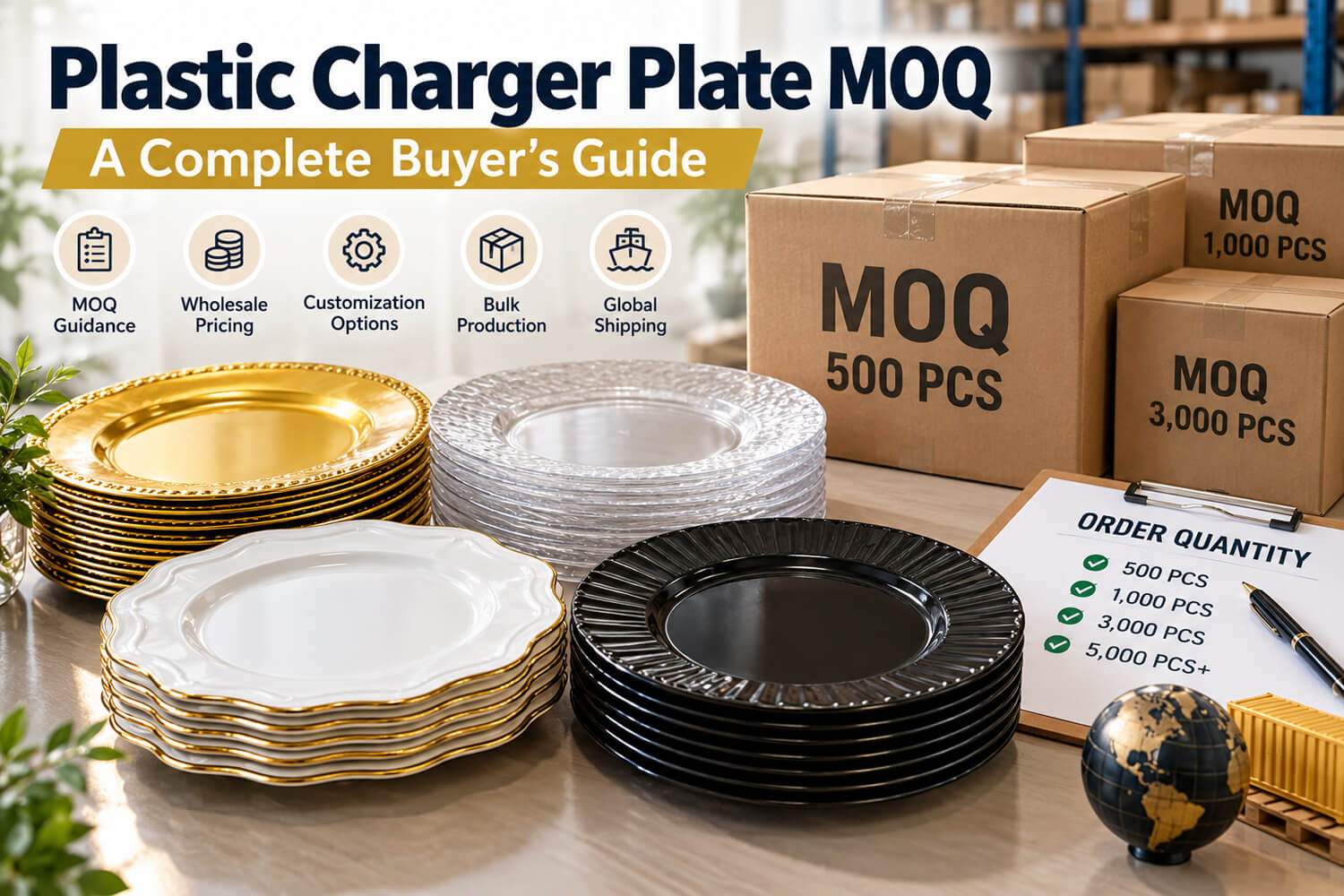
Minimum Order Quantity (MOQ) varies depending on the product and customization level.
| Order Type | Typical MOQ |
|---|---|
| Stock Design | 500–1,000 pcs |
| Custom Color | 2,000–5,000 pcs |
| Custom Logo | 3,000–5,000 pcs |
| New Mold | 5,000–10,000 pcs |
If you are launching a new product line, ask whether the factory offers trial production or mixed-container orders. Many experienced manufacturers support multiple colors within one shipment, helping distributors test market demand while reducing inventory risk.
Comparing Domestic vs Overseas Suppliers
Global buyers often compare local manufacturers with overseas factories before making sourcing decisions. Each option offers different advantages depending on your purchasing strategy.
Comparison Table
| Factor | Domestic Supplier | Overseas Manufacturer |
|---|---|---|
| Unit Cost | Higher | Lower |
| Shipping Time | Faster | Longer |
| Customization | Moderate | Extensive |
| Production Capacity | Medium | High |
| Communication | Easier | Depends on supplier |
| Inventory Support | Better | Varies |
| Large Volume Orders | Limited | Excellent |
For distributors purchasing hundreds of thousands of charger plates annually, overseas manufacturing often provides greater production capacity and more competitive pricing.
However, choosing an overseas supplier requires careful evaluation of quality systems, communication efficiency, and export experience.
Freight Planning Matters
Freight costs can fluctuate significantly throughout the year. During peak shipping seasons, transportation expenses and container availability may affect delivery schedules.
Professional manufacturers typically help customers by:
- Recommending suitable Incoterms
- Consolidating shipments
- Optimizing carton loading
- Improving pallet configuration
- Reducing container space waste
These services can significantly lower the total landed cost.
Communication and Customer Support
Good communication reduces mistakes and builds confidence throughout the project.
An experienced export manufacturer should respond quickly and provide complete information rather than short or unclear answers.
What Good Communication Looks Like
- Clear quotations
- Technical drawings
- Product specifications
- Material certifications
- Production schedules
- Inspection reports
- Packaging photos
- Shipping updates
Many successful projects begin with detailed discussions before production starts. Confirming product dimensions, colors, packaging, and labeling early helps avoid costly misunderstandings later.
Factory Communication Checklist
- Dedicated sales manager
- Engineering support
- Fast email response
- English-speaking export team
- Online meetings when required
- Video factory inspections
Strong communication reflects a manufacturer’s professionalism and commitment to customer success.
Sustainability and Eco-Friendly Options
Sustainability has become increasingly important in the hospitality and event industries. Many buyers now ask suppliers about recycled materials, environmental management, and responsible manufacturing practices.
Although traditional charger plates are primarily manufactured from virgin plastic for appearance and durability, manufacturers are introducing more sustainable alternatives.
Popular Sustainable Options
- Recyclable polypropylene products
- Recycled plastic materials
- Lightweight designs using less resin
- Environmentally friendly packaging
- Reusable charger plate collections
Some manufacturers also replace plastic inner packaging with recyclable paper materials to reduce waste during transportation.
Environmental Practices to Look For
| Practice | Benefit |
|---|---|
| Material recycling | Less production waste |
| Energy-efficient machinery | Lower energy consumption |
| Water recycling systems | Reduced environmental impact |
| Paper packaging | Less plastic waste |
| Waste sorting | Better factory management |
Sustainability should never compromise product quality. Ask the manufacturer to explain how recycled materials affect durability, color consistency, and appearance before placing an order.
Red Flags When Choosing a Supplier
Choosing the wrong manufacturer can result in shipment delays, inconsistent quality, and unnecessary costs.
Fortunately, many warning signs appear early in the sourcing process.
Common Red Flags
- Prices far below market averages
- Incomplete company information
- Unclear factory address
- Refusal to provide certifications
- Slow communication
- Poor sample quality
- No production photos
- No inspection reports
- Unrealistic delivery promises
If a supplier continually changes quotations or cannot answer basic technical questions, proceed carefully.
Another warning sign is inconsistent samples. If the first sample differs significantly from the production sample, consistency during mass production may also become a concern.
Questions to Ask Before Signing a Contract
Before confirming a purchase order, buyers should verify every important production detail.
Essential Questions
Can you provide recent production references?
Experienced factories should be able to demonstrate previous export projects while respecting customer confidentiality.
How is quality controlled?
Request details about incoming material inspection, production inspection, and final shipment inspection.
What is your average defect rate?
Reliable manufacturers monitor quality statistics continuously and can explain their performance.
How are defective products handled?
Ask about replacement policies, credit notes, and warranty procedures.
Can production schedules be guaranteed?
Request realistic lead times instead of optimistic estimates.
What export documents are included?
Typical documents include:
- Commercial Invoice
- Packing List
- Bill of Lading
- Certificate of Origin
- Inspection Report
- Material Declaration
Clear documentation helps customs clearance proceed smoothly.
Building a Long-Term Manufacturing Partnership
The best supplier relationships develop over time rather than through a single transaction.
Long-term cooperation allows manufacturers to understand your quality expectations, forecasting methods, packaging requirements, and branding strategy.
In our manufacturing experience, customers who provide annual purchasing forecasts often receive more stable production scheduling and better inventory planning.
Benefits of Long-Term Cooperation
- Stable pricing
- Priority production scheduling
- Improved quality consistency
- Faster sampling
- Better communication
- Continuous product development
- Lower inventory risk
Manufacturers can also recommend process improvements that reduce production costs without affecting product quality.
Partnership Best Practices
- Share annual forecasts
- Review quality performance quarterly
- Schedule regular product improvements
- Develop exclusive product collections
- Evaluate logistics performance annually
Successful partnerships are based on transparency, mutual trust, and continuous improvement rather than price alone.
FAQ
How do I verify whether a plastic charger plates manufacturer is genuine?
Request the company’s business license, certifications, production videos, recent inspection reports, and customer references. A reliable manufacturer should also be willing to arrange a live virtual factory tour or an on-site audit, allowing you to verify production equipment, quality systems, and manufacturing capabilities before placing a large order.
What material is best for plastic charger plates?
High-impact polystyrene (HIPS) remains one of the most popular materials because it offers excellent rigidity, a smooth decorative finish, and consistent molding quality. Polypropylene is another good choice for reusable products that require greater impact resistance and durability.
Should I choose the lowest quotation?
Not necessarily. The lowest unit price may result in higher overall costs due to quality issues, shipment delays, or higher defect rates. Consider the supplier’s manufacturing experience, inspection procedures, certifications, packaging quality, and after-sales support before making a purchasing decision.
Can manufacturers produce custom designs?
Yes. Most experienced manufacturers provide OEM and private label services, including custom colors, embossed patterns, metallic finishes, logo printing, packaging design, and completely new mold development. Always confirm tooling costs, ownership, and development timelines before production begins.
How long does production usually take?
Production time depends on order quantity and customization requirements. Standard products may be completed within two weeks, while customized orders involving new molds, special finishes, or private labeling generally require four to eight weeks, depending on factory capacity and seasonal demand.
What certifications should international buyers request?
The required certifications depend on your target market. Common requests include ISO 9001 for quality management, FDA or relevant food-contact declarations for the U.S. market, EU food-contact compliance documents, and social compliance audits such as BSCI or SEDEX for major retailers.
Conclusion
Choosing the right plastic charger plates manufacturer goes beyond comparing prices; it requires a dependable partner with strong production capabilities, strict quality control, and international compliance.
Successful B2B buyers minimize purchasing risks by following a structured evaluation process: verifying certifications, reviewing factory capabilities, and approving samples before placing volume orders. Evaluating key factors like material quality, customization, and sustainability ensures a reliable and cost-effective supply chain.
Rather than simply seeking the lowest quote, prioritize a manufacturer that guarantees consistent quality, reliable lead times, and transparent communication. Ultimately, a trusted manufacturing partner will not only meet your current needs but also drive your long-term global competitiveness.