
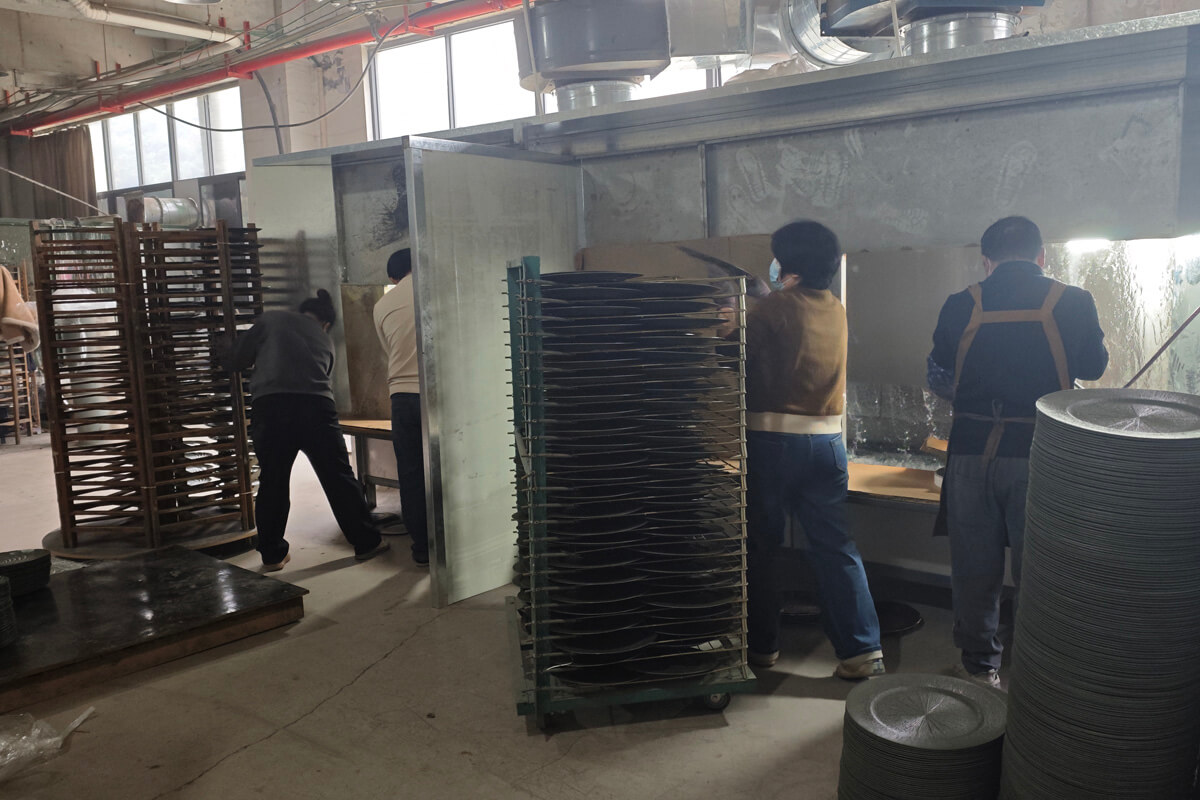
Decorative trays may look simple, yet behind every well-made piece is a careful manufacturing process. To understand the Manufacturing of Household Decorative Tray is key to making smart sourcing decisions. Whether trays are used for home décor collections, hotel rooms, retail displays, or commercial projects, quality and consistency always matter.
As a manufacturer, we see firsthand how material choice, tooling, and production control shape the final product. This article shares practical knowledge from the factory floor, explained in clear and simple English, so YOU can better evaluate suppliers and products with confidence.
Manufacturing of Household Decorative Tray
The Manufacturing of Household Decorative Tray starts with a clear purpose. Decorative trays are not only visual items. They also need to support weight, resist daily use, and stay stable on different surfaces. Because of this, manufacturers focus on both form and function from the very beginning.
In real production, trays are made in many styles, from minimalist modern designs to classic decorative looks. The manufacturing method changes depending on materials, size, and target market. Plastic trays often use molding processes, while metal or wood trays involve forming, cutting, or assembly steps.
From a buyer’s view, understanding how decorative trays are made helps YOU avoid quality issues. A professional manufacturer designs trays to last, not just to look good on the shelf.
Understanding the Manufacturing of Household Decorative Tray
To understand the Manufacturing of Household Decorative Tray, it helps to see the process as a system. Each step connects to the next. Design affects tooling. Tooling affects surface quality. Surface quality affects customer satisfaction.
Manufacturers begin with drawings or 3D models. These define shape, thickness, and load capacity. Engineers then check whether the design can be produced efficiently. This step prevents warping, cracking, or uneven surfaces later.
From our experience, early design reviews save time and cost. When buyers work closely with manufacturers at this stage, the final decorative tray performs better and looks more refined. That cooperation benefits YOU by reducing revisions and delays.
Why Decorative Trays Matter in Modern Home and Commercial Spaces
Decorative trays play a quiet but important role. In homes, they organize items and add style. In hotels and offices, they improve presentation and order. That is why demand for well-made trays continues to grow.
For commercial buyers, trays must be consistent in size and color. They must also handle repeated cleaning and movement. Poor manufacturing leads to scratches, fading, or deformation, which hurts brand image.
According to industry trends shared by interior design platforms like Architectural Digest (https://www.architecturaldigest.com), decorative accessories are becoming more functional and durable. This trend pushes manufacturers to improve materials and processes, giving YOU better long-term value.
Raw Materials Used in Decorative Tray Manufacturing
Material choice is the foundation of quality. In the Manufacturing of Household Decorative Tray, common materials include plastic, metal, wood, and composites.
Plastic trays, often made from PP or ABS, are lightweight and cost-effective. They resist moisture and are easy to clean. Metal trays, such as aluminum or steel, offer strength and a premium feel. Wood trays provide warmth and natural appeal but require careful sealing.
Each material has trade-offs. Manufacturers help YOU select materials based on usage, budget, and appearance. Choosing the right raw material ensures the tray performs well in its intended environment.
Design and Engineering in Decorative Tray Manufacturing
Design is where creativity meets engineering. Decorative trays must look balanced while staying strong. Engineers focus on edge height, corner strength, and base flatness.
In manufacturing, small design changes make big differences. A slight increase in thickness can improve durability. A textured base can reduce slipping. These details are often invisible to end users but critical in performance.
From our factory experience, good design reduces defects and improves yield. For YOU, this means stable quality and predictable supply.
Manufacturing Process of Household Decorative Trays
The Manufacturing of Household Decorative Tray follows clear production steps. For plastic trays, injection molding is common. Raw material is melted, injected into molds, cooled, and released.
Metal trays may involve stamping, bending, and welding. Wood trays require cutting, sanding, and assembly. After forming, trays move to finishing processes such as painting or coating.
Each step must be controlled carefully. Temperature, pressure, and timing all affect results. Reliable manufacturers document these processes to ensure consistency, which protects YOUR orders from variation.
Production Equipment and Manufacturing Technologies
Modern equipment improves both speed and quality. Automated molding machines, CNC cutting, and surface treatment lines help manufacturers meet large orders efficiently.
Technology also supports precision. Advanced molds reduce surface defects and improve dimensional accuracy. For B2B buyers, this precision ensures trays stack consistent and fit packaging correctly.
Factories that invest in technology are better prepared for long-term cooperation. That stability benefits YOU by reducing supply risks.
Surface Treatment and Decorative Finishing Methods
Surface finishing defines the final look. In the Manufacturing of Household Decorative Tray, finishes include matte, glossy, textured, or printed surfaces.
Coatings protect trays from scratches and stains. Printing adds patterns or logos. Texture improves grip and visual depth. These finishes are applied through controlled processes to ensure durability.
From experience, proper surface treatment extends product life. That means fewer replacements and better customer satisfaction for YOU.
Quality Control and Inspection Standards in Manufacturing
Quality control is not optional. Professional manufacturers inspect trays at multiple stages. They check dimensions, surface quality, and load strength.
Random sampling and final inspections catch issues before shipping. Some factories also perform aging or stress tests. These steps ensure trays meet real-world demands.
Strong quality control protects YOUR brand reputation and reduces after-sales issues.
OEM and Custom Manufacturing of Decorative Trays
Customization is a major advantage of working directly with manufacturers. OEM services allow color matching, logo placement, and custom shapes.
In the Manufacturing of Household Decorative Tray, OEM projects require clear communication. Early confirmation of samples helps avoid misunderstandings.
For B2B buyers, customization creates differentiation. It helps YOU stand out in competitive markets without sacrificing quality.
Cost Control, Production Efficiency, and Scalability
Cost control depends on efficient design and production. Optimized molds, reduced waste, and stable processes keep costs predictable.
Manufacturers with scalable capacity handle growth smoothly. They can increase output without sacrificing quality. This flexibility supports YOUR long-term planning.
Low price alone is risky. Stable cost and quality bring better value over time.
Sustainable Practices in Decorative Tray Manufacturing
Sustainability is becoming essential. Many manufacturers now reduce waste and use recyclable materials.
Plastic trays can use recyclable polymers. Wood trays may use certified sources. Efficient energy use lowers environmental impact.
Choosing responsible manufacturers supports YOUR sustainability goals and market image.
How to Choose the Right Decorative Tray Manufacturer
When sourcing, YOU should review materials, processes, quality systems, and communication. Factory audits and samples help verify claims.
A good manufacturer acts as a partner, not just a supplier. That partnership ensures smoother projects and better results.
Frequently Asked Questions About Manufacturing of Household Decorative Tray
What materials are best for household decorative trays?
The best material depends on use. Plastic offers affordability and easy cleaning. Metal provides durability and premium appearance. Wood adds warmth but needs proper sealing for long-term use.
How long does decorative tray manufacturing take?
Lead time depends on design and quantity. Standard trays may take several weeks. Customized trays require extra time for tooling and sample approval.
Can decorative trays be customized for branding?
Yes. OEM manufacturing allows logo printing, color matching, and custom shapes. Customization helps YOU build brand identity and market differentiation.
How is quality ensured during manufacturing?
Manufacturers use inspections, testing, and documented processes. Dimensional checks and surface inspections ensure consistency and durability.
Are decorative trays suitable for commercial use?
Yes. When properly designed and manufactured, decorative trays handle repeated use in hotels, offices, and retail spaces.
Do manufacturers support sustainable production?
Many manufacturers now offer eco-friendly materials and waste reduction practices. This supports sustainable sourcing strategies.
Conclusion
The Manufacturing of Household Decorative Tray combines design, material science, and process control. To understand this process helps YOU choose better suppliers and products. With the right manufacturing partner, decorative trays deliver lasting value, reliable performance, and strong visual appeal.

